Travel & Safety
Shark Bay is in a remote part of Western Australia. The road into Denham and Monkey Mia is fully sealed but other areas are less accessible. Lack of fresh water combined with high summer temperatures could lead to a life threatening situation for the unprepared.
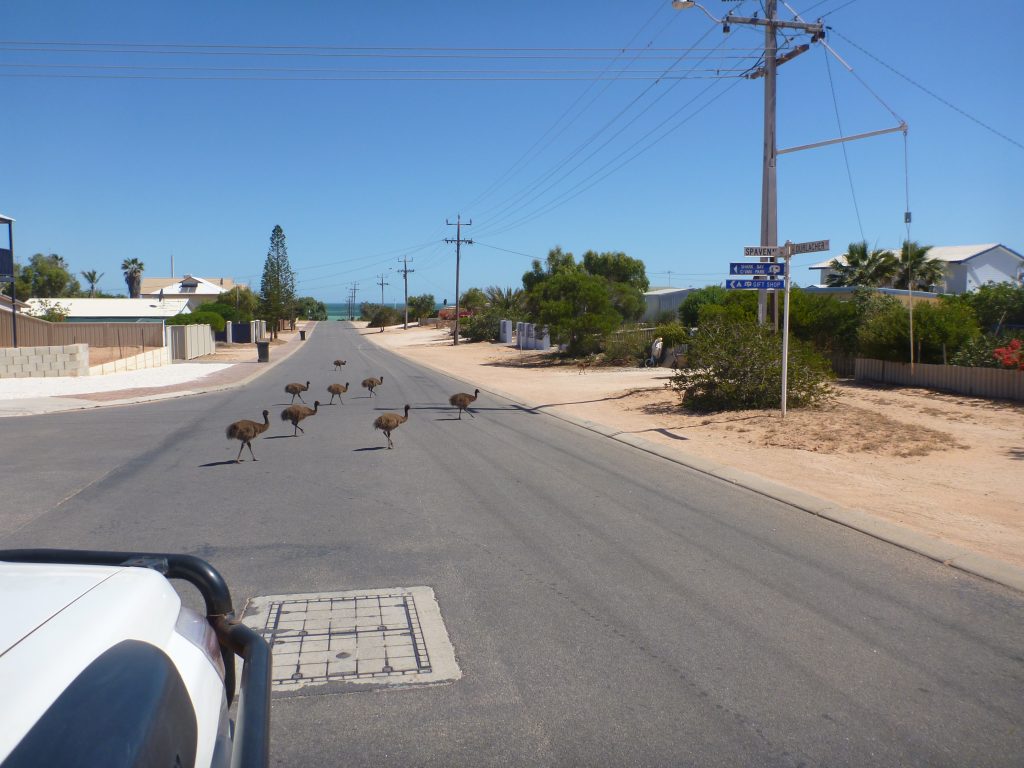

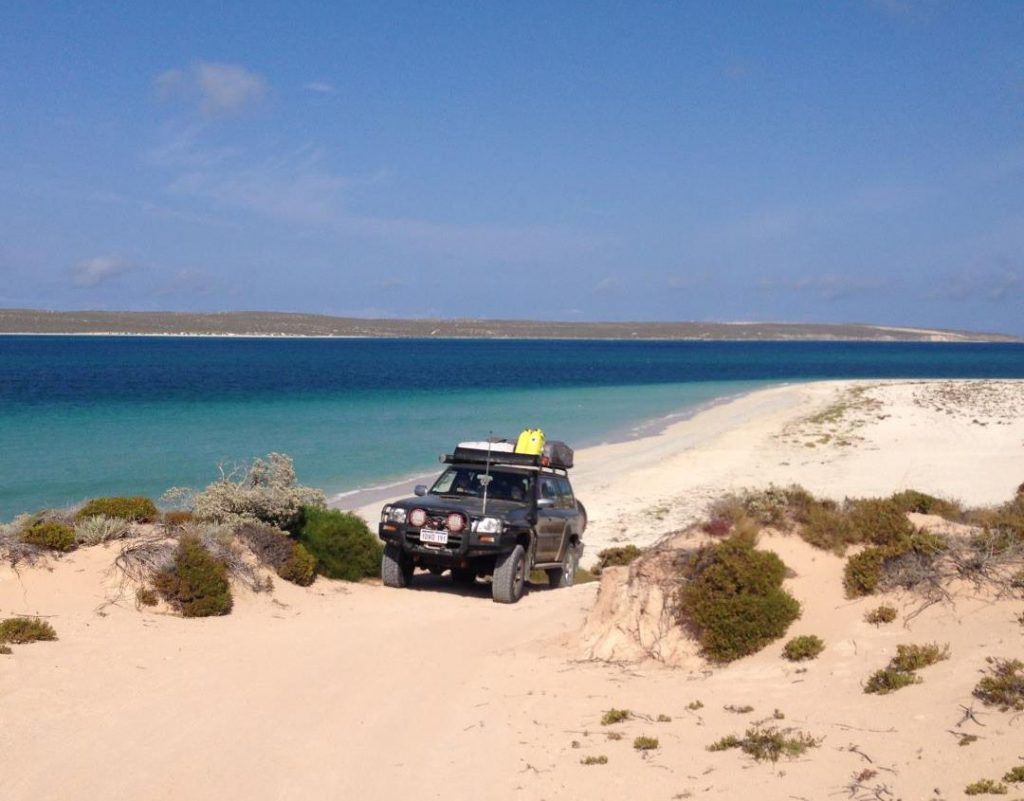
Much of Shark Bay is only accessible by four-wheel drive including Steep Point, Dirk Hartog Island and most of Francois Peron National Park. Find out more about these destinations on the places to visit pages.
Please study the four-wheel driving in Shark Bay information sheet and remember:
- Reducing tyre pressures will prevent you from getting bogged, give a smoother ride and help protect the tracks. Know your vehicle and the best tyre pressure for sand driving before you go.
- Water, fuel, facilities, services and supplies are only available in Denham and Monkey Mia. Make sure you have adequate water, supplies and fuel for your journey.
- Recovery equipment, sufficient spare tyres and a good communication system are essential in remote four-wheel drive areas.
Australian National 4WD Council’s Code of Ethics:
- Obey the laws and regulations for recreational vehicles that apply to public lands.
- Respect the cultural, heritage and environmental values of private/public land, by obeying restrictions that may apply.
- Respect our flora and fauna. Stop and look, but never disturb.
- Keep to formed vehicle tracks.
- Keep the environment clean. Carry your own, and any other, rubbish out.
- Keep your vehicle mechanically sound and clean to reduce the environmental impact.
- Adopt minimal impact camping and driving practices.
- Seek permission before driving on private land. Do not disturb livestock or watering points, leave gates as found.
- Take adequate water, food, fuel, basic spares and a first aid kit on trips. In remote areas travel with another vehicle and have Royal Flying Doctor Service, or equivalent, radio contact.
- Enjoy your recreation and respect the rights of others.
- Plan ahead and lodge trip details with a responsible person.
- Support 4WD touring as a responsible and legitimate family recreational activity. Consider joining an affiliated 4WD club.
Although snakes have a bad reputation they are timid and will avoid humans if they can. Avoid provoking snakes by looking where you are walking and don’t poke around logs or burrows. It is also a good idea to wear sturdy boots and thick socks when you’re bushwalking. If bitten, immediately apply a firm pressure bandage, immobilise the limb and seek medical help. Do not attempt to handle snakes or spiders.
In the Water
Sharks are no more a threat in Shark Bay than anywhere else around Australia. Of the 28 shark species recorded in Shark Bay only one or two may arguably be considered dangerous.
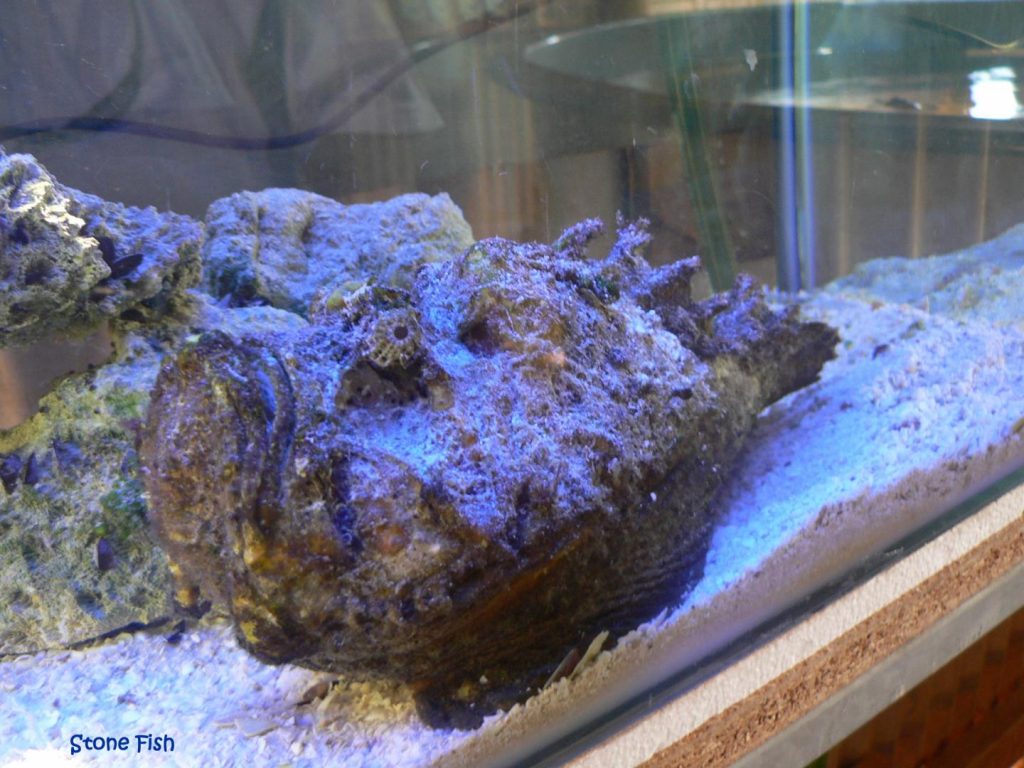
Stone fish are difficult to see and can inflict extreme pain if stepped on. Avoid being stung by being careful when walking in water – wear reef shoes and shuffle rather than lifting your feed when wading. Treat a stone fish sting by submerging the limb in water that is hot but tolerable – test with unaffected limb. The hot water will break down the toxin.
Blue-ringed octopuses live on reef flats and in tidal pools and can be recognised by their brilliant blue rings when disturbed. Avoid these animals at all costs as their bite can be fatal.
Stingrays are very common in the shallow waters and there is a good chance you will see them during your visit. Typically a ray will avoid you but if you step on one a sting from the barb at the base of its tail can be excruciating. As with stonefish, take care when walking in the shallows. Treat a sting by submerging the limb in water that is hot but tolerable.
Sea snakes are also quite common. Although they are unlikely to bite, do not approach or touch them as they are extremely venomous.